
Why New IT Installations Create Network Vulnerabilities and How to Prevent Them
- March 2, 2026
- Posted by: Gradeon
- Categories: Cyber Security, IT Infrastructure
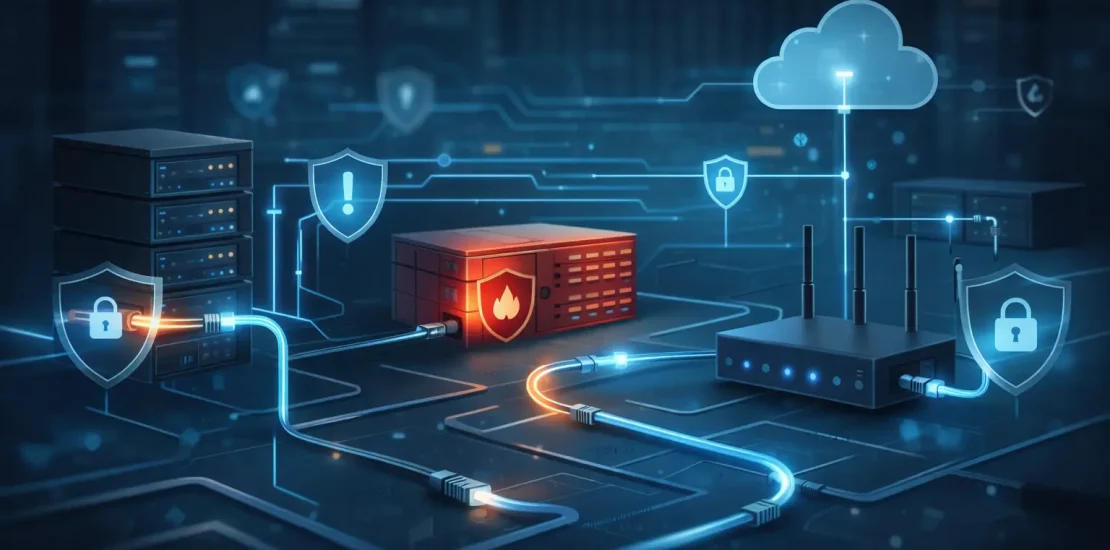
Many UK businesses assume cyber risks appear months after systems go live. In reality, teams introduce some of the most damaging network vulnerabilities on day one, during the infrastructure installation itself.
When offices expand, relocate, or upgrade their IT environments, operational urgency takes over. Speed becomes the priority, and security decisions get pushed back. This is when avoidable mistakes are made.
Understanding where these gaps originate is the first step towards preventing them. Working with an experienced IT consultant from the planning stage can make a significant difference to the outcome.
When Speed Overrides Security
Tight deadlines drive infrastructure projects. Vendors face pressure, budgets stretch thin, and businesses push to get systems live as quickly as possible.
In this rush, temporary configurations become permanent. Default credentials are left unchanged. Firewall rules are added quickly and never reviewed.
What starts as a practical shortcut quietly becomes long-term exposure. Many businesses only discover these issues during a security audit, by which point the risk has existed for months.
Engaging an IT consultancy service during the planning phase helps ensure security decisions are made deliberately, not reactively.
Flat Networks: The Risk of Trusting Too Much
A flat network, where every device can communicate with every other device, feels simple to manage during early installation. Everything works, troubleshooting is easier, and teams can connect without friction.
The problem emerges when something goes wrong.
Without network segmentation, a single compromised device can move laterally across the entire environment. For businesses handling sensitive customer data, financial records, or payment systems, this creates unacceptable risk.
Proper network segmentation during the installation stage is far easier and less disruptive than attempting to implement it once systems are live and operational.
Firewall Rules Built for Convenience, Not Protection
Firewalls are a standard part of most infrastructure installations. However, their configuration often reflects operational convenience rather than sound security practice.
Rules are opened broadly to avoid service disruptions during the installation phase. Temporary access is granted and never removed. Documentation is minimal or absent entirely.
Over time, the firewall becomes less of a protective barrier and more of a silent risk. Businesses often assume their firewall is doing its job without ever verifying the ruleset.
Firewall security should never be treated as a one-time setup task. It requires ongoing review, and an IT consultant can help businesses identify rules that no longer serve a purpose.
Wireless Networks That Outpace Access Controls
Wireless connectivity is essential in modern workplaces, but it introduces serious risk when deployed without a clear access strategy.
Common issues found during IT infrastructure installations include weak encryption standards, shared credentials across staff and visitors, and insufficient separation between guest and corporate networks.
Teams often add wireless access quickly to meet immediate user demand. They postpone access controls, guest network policies, and device authentication, and in many cases, they never implement them at all.
This leaves businesses exposed from the moment staff and contractors connect their devices to the network.
Devices Without Clear Security Ownership
Modern infrastructure installations involve a wide range of components. Switches, access points, servers, printers, CCTV systems, and third-party devices all form part of the environment.
A recurring vulnerability is unclear ownership. Who is responsible for patching these devices? Who monitors them for unusual behaviour? Who reviews access permissions over time?
When no one owns the security responsibility for an installed asset, vulnerabilities remain unaddressed. Devices run outdated firmware. Credentials go unchanged. Alerts go unnoticed.
Clear accountability must be built into infrastructure planning from the beginning. This is an area where a managed IT consultancy service adds genuine long-term value, ensuring every asset has an owner and a maintenance schedule.
Remote Access Without Long-Term Planning
Teams frequently enable remote access during the installation phase to support hybrid working arrangements or external contractors.
What begins as a practical requirement can introduce persistent risk if access controls are weak or poorly monitored. VPNs that teams configure quickly without strong authentication or proper access segmentation become some of the most commonly exploited entry points in business networks.
Teams should design remote access with the assumption that attackers will target credentials. Multi-factor authentication, regular access reviews, and strict role-based permissions are not optional extras. They are fundamental requirements.
An IT consultant specialising in network security can help businesses design remote access solutions that balance usability with protection.
Logging and Monitoring Left Until Later
Visibility into network activity is not an optional extra. It is a foundational requirement.
During infrastructure installations, teams rarely prioritise logging and monitoring. They often assume they can add security visibility later, once systems appear stable. This delay creates dangerous blind spots.
When a security incident occurs, businesses frequently discover they lack the logs needed to understand what happened, when it started, or how far it spread. Incident response becomes guesswork.
Monitoring should be active from the moment systems go live, not added as an afterthought weeks later.
The Real Cost of Fixing Vulnerabilities After Go-Live
Addressing network vulnerabilities after systems are operational is always more expensive and more disruptive than preventing them.
Introducing network segmentation requires planned downtime. Redesigning firewall rules affects live workflows. Retrofitting monitoring tools adds complexity to a running environment.
The cost of remediation, in both time and resource, is consistently higher than the cost of designing securely from the start. Businesses that invest in IT consultancy services during the planning phase typically avoid the most expensive mistakes.
What a Security-Led Installation Looks Like
A security led IT installation follows a deliberate and proactive approach from the start. Teams embed security requirements into the design phase instead of adding them after deployment.
Engineers define access controls before any systems go live. They plan and document network segmentation to limit lateral movement. They structure firewall rules with clear purpose and accountability. Monitoring and logging operate from day one, giving immediate visibility into network activity. Teams configure remote access with strong authentication and strict access controls from the outset.
This approach positions security as a core component of operational resilience, not a barrier to progress. A mature, security led IT consultancy delivers infrastructure that supports growth while reducing long term risk.
How Gradeon Supports Secure Infrastructure Installations
Gradeon works with UK businesses to deliver IT infrastructure solutions that prioritise security from the first design decision.
By combining cybersecurity consultancy with deep infrastructure expertise, Gradeon helps organisations identify and eliminate common installation vulnerabilities before they become operational risks. Whether a business is planning a new office, relocating, or upgrading ageing infrastructure, Gradeon provides the IT consultant support needed to build environments that scale safely.
This approach lowers future remediation costs, strengthens the compliance posture, and gives business leaders confidence that they have built a network to last.
Frequently Asked Questions
What are the most common network vulnerabilities introduced during IT installations?
The most common issues include flat network architecture with no segmentation, poorly configured firewall rules, weak wireless access controls, unclear device ownership, misconfigured remote access, and absent logging and monitoring.
Why do network vulnerabilities often appear during infrastructure installations rather than later?
Installation projects prioritise speed and operational deadlines. Security teams often postpone key decisions, leave default credentials unchanged, and allow temporary configurations to become permanent, creating exposure from day one.
What is network segmentation and why does it matter during installation?
Network segmentation divides a network into isolated zones so that a compromised device cannot freely access other systems. It is significantly easier and less disruptive to implement during installation than to retrofit later.
How should businesses approach firewall configuration during a new installation?
Teams should clearly document firewall rules, design them intentionally, and review them regularly. They should close broad or temporary rules as soon as they are no longer needed to reduce unnecessary exposure. Firewall security remains an ongoing responsibility, not a one time setup task.
What remote access risks should IT managers plan for during infrastructure projects?
Remote access solutions such as VPNs should include strong multi-factor authentication, strict access segmentation, and regular access reviews. Assuming credentials will eventually be targeted is a sound starting point for design.
How can a cybersecurity consultancy add value during an infrastructure installation?
A cybersecurity consultant designs security into the infrastructure from the outset instead of adding it as an afterthought. This includes defining access controls before deployment, structuring firewall rules, planning segmentation, and ensuring monitoring is in place from go-live — reducing future remediation costs significantly.